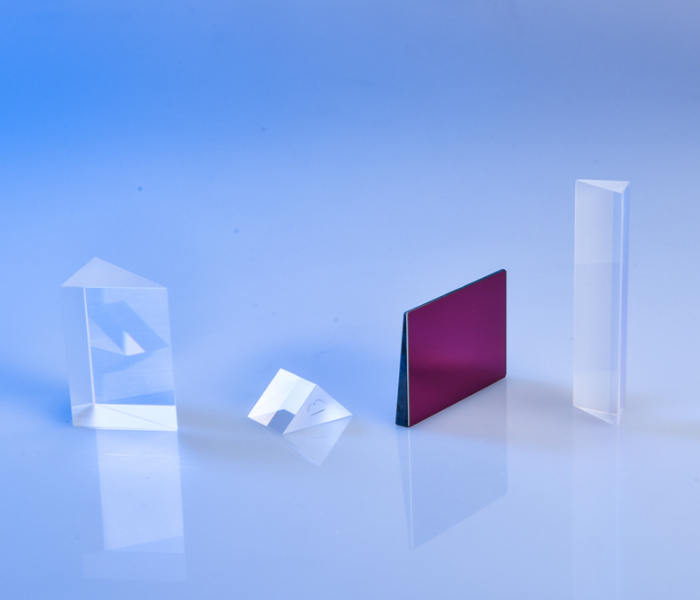

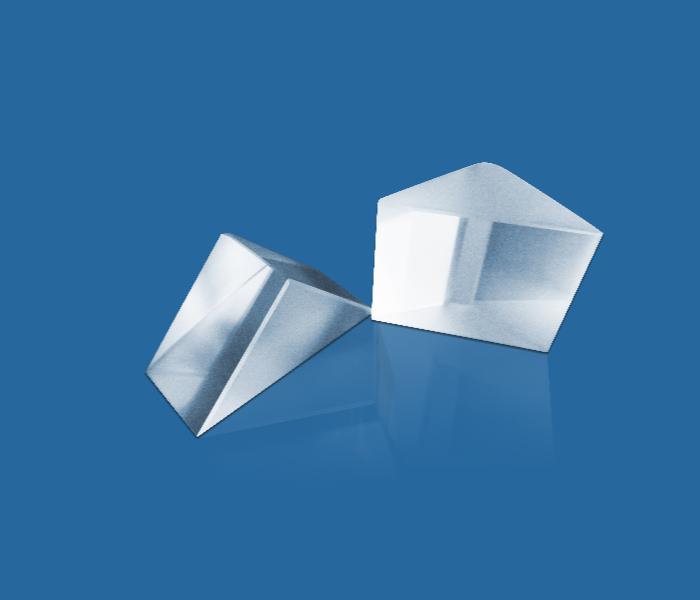
High Precision Optical Reflecting Deflecting Displacement Rotation and Dispersion Prisms are choosen by Microscopes, Optical Instruments, Binoculars, Telescopes, Periscopes, Surveyring equipements and many sophisticated Scientific Instruments including Interferometers, Spectrophotometers and Fluorimeters.
Products Introduction:
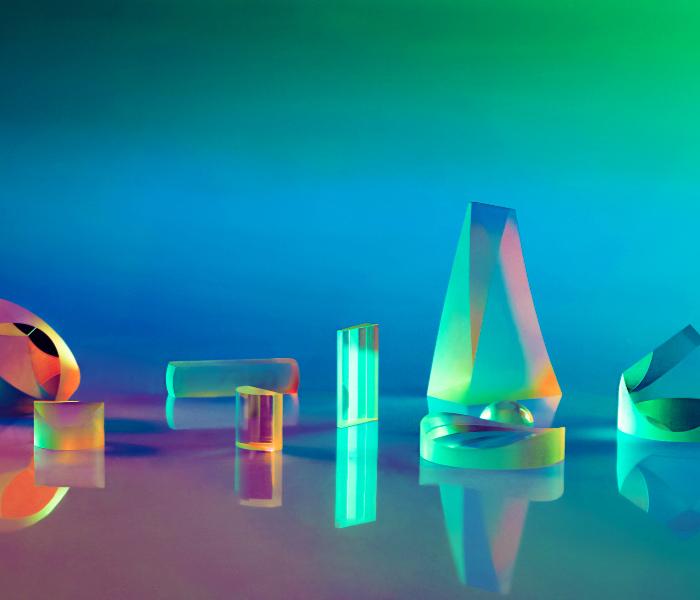
An optical Prism is a kind of polyhedron made of optical glasses or crystals with different geometrical shapes, which are widely designed and used in various optical instruments. High precise prisms are mainly divided into four types: reflecting prisms, displacement prisms, rotation prisms and dispersion prisms. These prisms are the most important optical components serving the following purposes: turning the light path, image conversion, image inversion and scanning in optical systems. Hitronics performs all steps in the value chain from design, prototyping, productions over assembly with mechanical elements to mass production. |
|
|
Key Parameters |
Capacity of production |
|
Materials |
N-BK7/H-K9L, JGS1, Corning 7980, FS, Schott, Ohara, Fused Quartz and so son. |
|
Assembly |
Optical cements and Physical bonding |
|
Optical Reflecting Displacement Rotation and Dispersion Prisms |
|
|
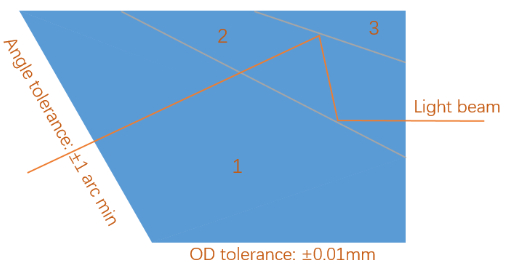
Dimension Tolerances |
±0.02mm |
|
OD Tolerances |
±0.01mm |
|
Angle Tolerances |
+/-1 arc min |
|
Surface Roughness |
20/10 |
|
Surface Quality |
λ/ 8@632.8nm |
|
Coating |
Custom |
|
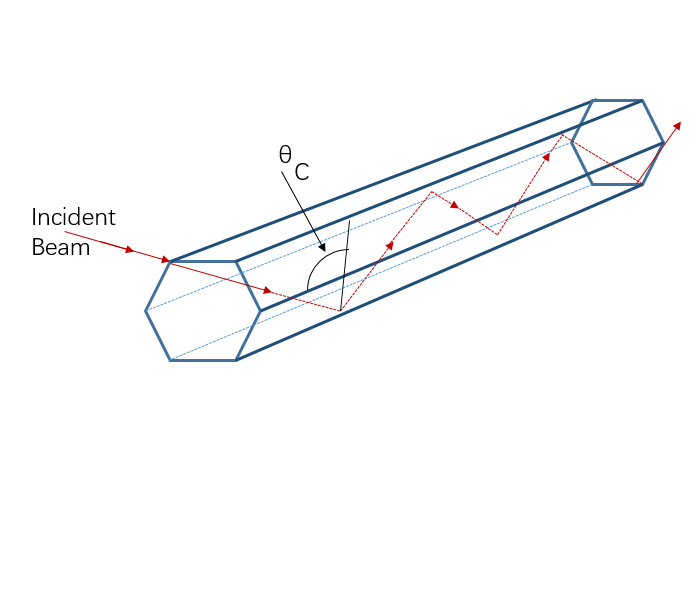
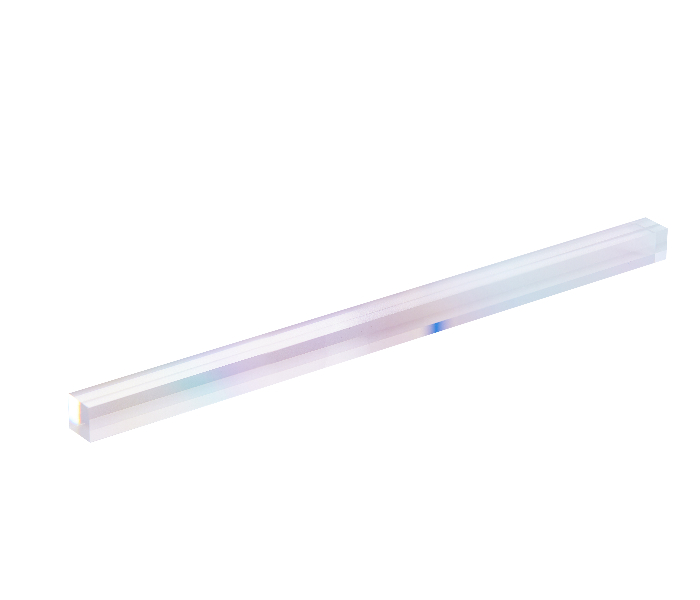
Optical Hexagonal Prisms (Light Guides)
The light guide uses total internal reflection theory, which can replace the non-uniform light source with a uniform light source regardless of its spectral characteristics. Compared with the square structure light pipe, the hexagonal structure light pipe can reduce the light loss by 30% - 40%. Light sources with small numerical aperture (NA) values require longer light pipes to homogenize the light, while light sources with high numerical aperture (NA) values may use shorter light pipes is enough. |
|
|
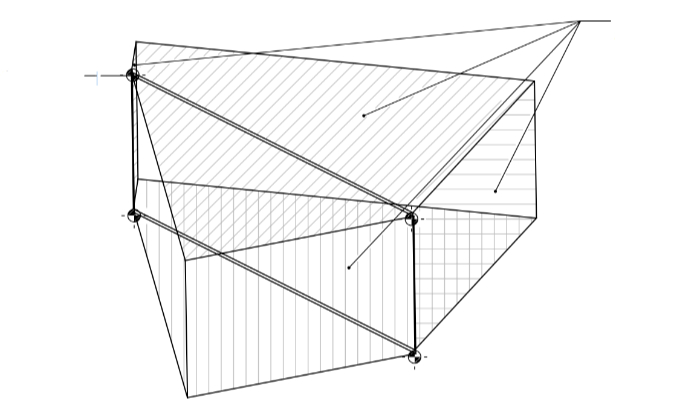
Deflecting Optical Prisms
Deflecting prisms can 1) Change the direction of the original light path 2) Meet different special mechanical structure design 3) Achieve minimum spacing
|
|
|
Roof Prisms
Roof prisms can be used in applications that require deflection of an image or laser beam by 90 degrees. When passing through the prism, the image is reflected from right to left and top to bottom. The hypotenuse of the prism utilizes total internal reflection (TIR) to reflect the image passing through the prism. |
|
|
90° Anti-reflective Coating Light guides
The light guide uses total internal reflection theory, which can replace the non-uniform light source with a uniform light source. 90° transmissive light guides are designed for applications that require uniform light distribution. Available materials and coatings will be selected according to different spectral requirements. |
|
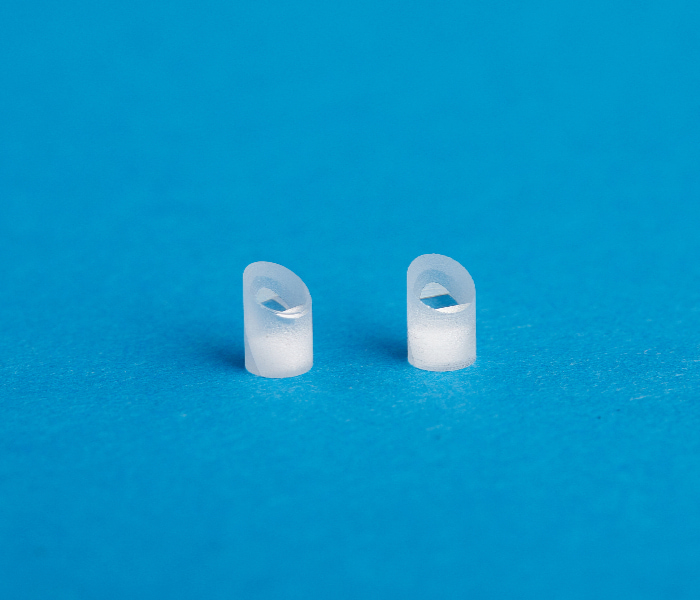
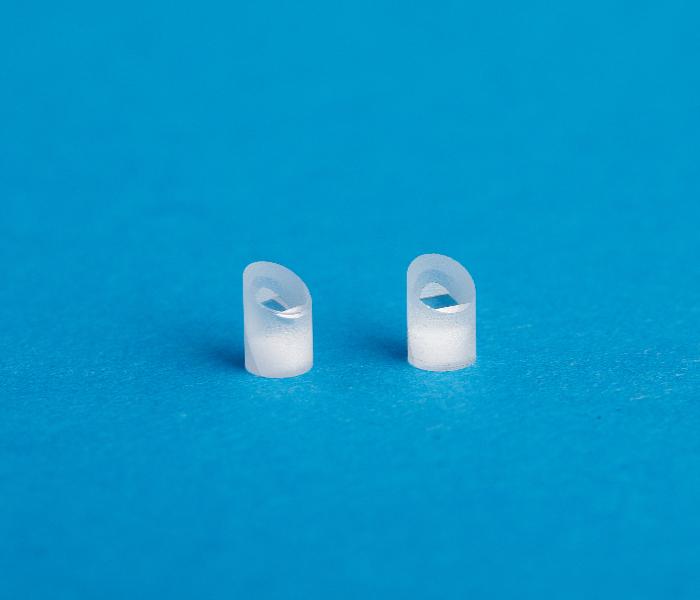
TIR PrismsSmall-sized TIR prisms are a kind of cemented optical prisms with three optical parts, and one of them is a spherical lens. It is difficult and crucial to glue and grind the air layer, but we make it competitive. It is used for small projectors, micro projectors like oral-scanner etc. Size: 10~80mm ±0.1mm Angle Accuracy: ±3’ Thickness of air layer: above 5um S/D: λ/4 (632.8nm) and coating as customized |
|
Right Angle Prisms
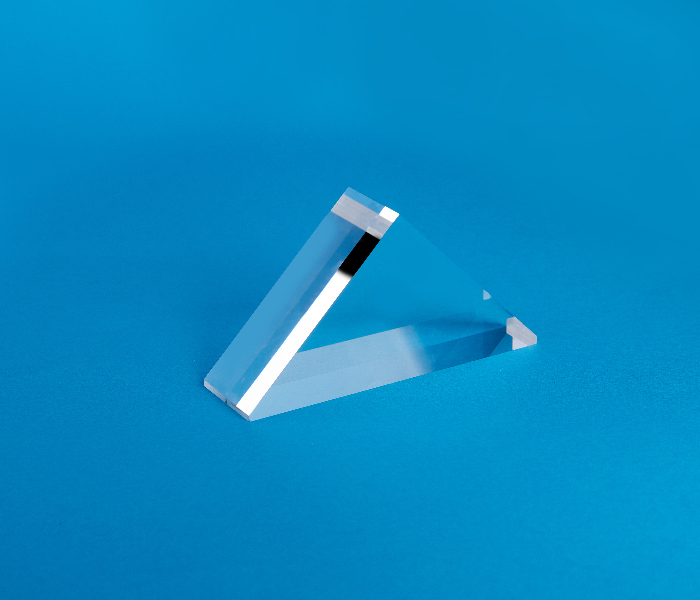
Right angle prisms can be used as 90° mirrors due to total internal reflection (TIR). When light is incident from one right-angled face of the prism, the light undergoes total internal reflection at the glass-air interface of the inclined face and exits the other right-angled face. Right angle prisms can deflect incident light by 90°, thereby replacing mirrors. Right angle prisms can also be used as 180° retroreflectors. When the input light is incident from the inclined face of the prism, the light will undergo total internal reflection at the glass/air interface of the right-angle face. A second total internal reflection occurs when passing through the next right-angle surface, and finally emerges from the inclined surface in a direction parallel to the incident beam. As with retroreflectors, the 180° deflection of the optical path is independent of the angle of incidence. |
 |
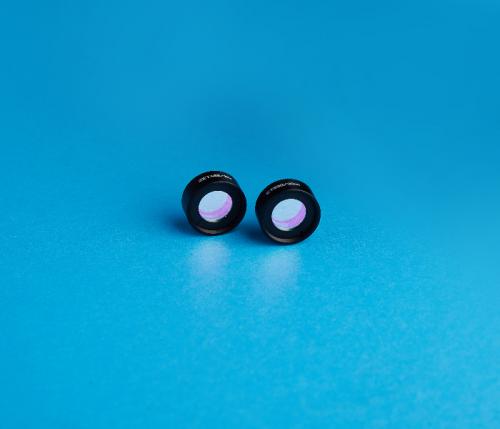
With industry-leading reliability, high transmission and sensitivity, steep edges, and exceptional blocking ranges and longer life, and lower cost.
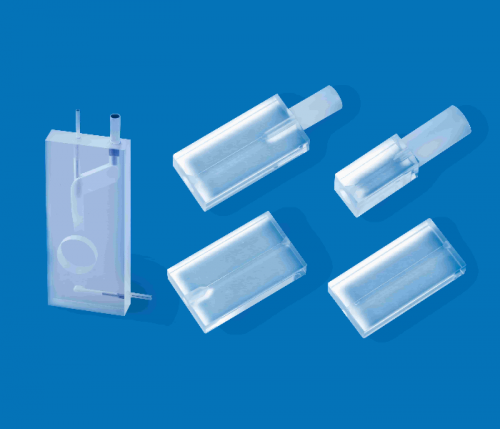
Flat Optics Flow Through Quartz Cuvettes are widely used in Hemocytometer, Flow Cytometry, Spectroscopy, Urine Analyzer and Cell Counter and other Life Science Instruments. Hitronics is the top one manufacture providing super stability, maximum precision and reliability cuvettes for the global customers for your individual applications.
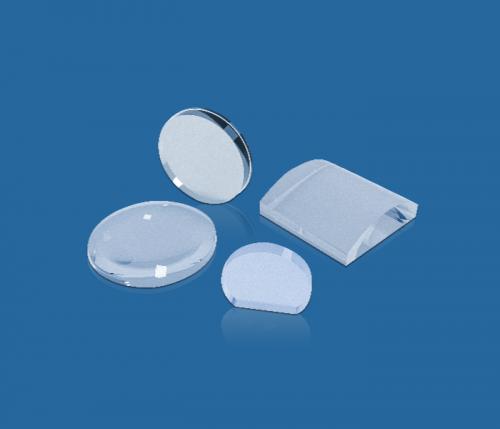
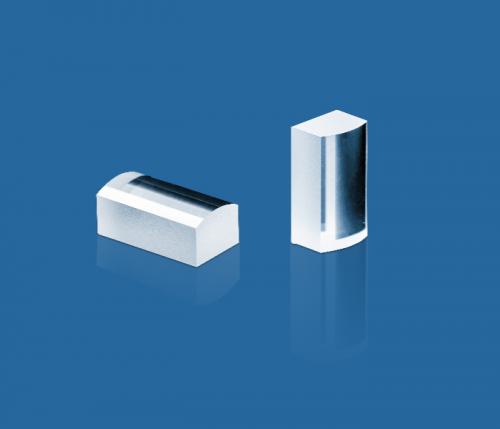
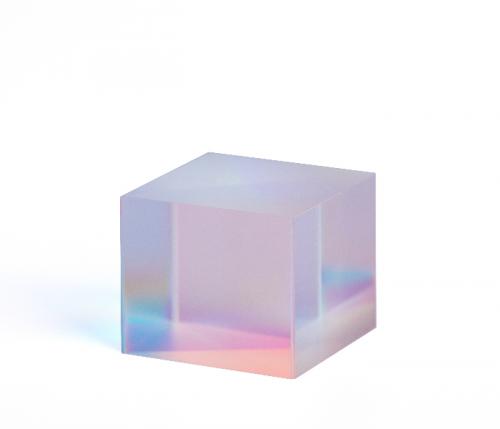
A new design of polarization prism system has many advantages, including low loss, high isolation, compact construction and convenient adjustment.
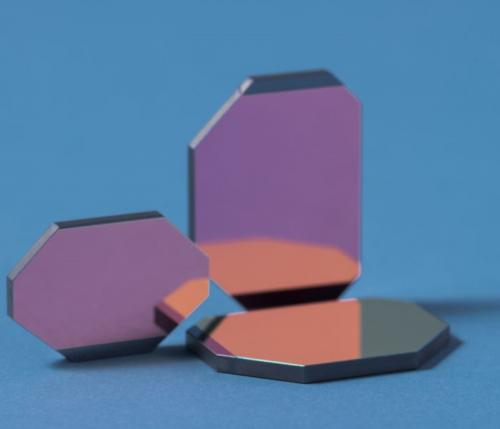
Good coating durability increasing the life time when cycling use High power options High refectivity is more than 99% Customized are available
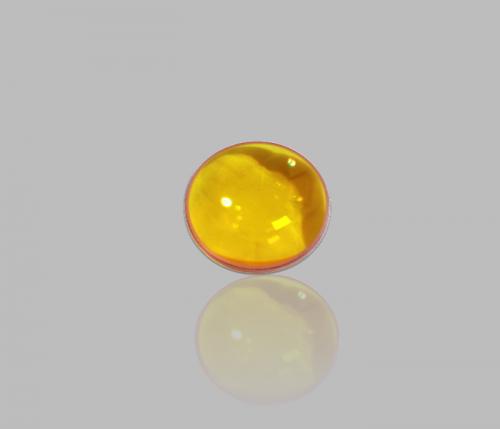
Ge, ZnSe, Si, CaF2, Chalcogenide glass, Cu, Al materials optional Short, Mid and Long Waves available Diameter from 5mm~250mm Customized coating film

Hitronics is the No.1 supplier of Cylindrical lens in the global market with capacity more than 3 millions per month. The series of products are full in styles: FAC (fast-axis collimator lens) SAC (slow-axis collimator lens) Cylindrical Lenses Spherical and Cylindrical Lenses Acylindrical Lenses


 支持 IPv6 网络

 中文
中文 English
 Deutsch
 日本語
日本語